Pretend play, particularly through the simple yet impactful dress-up corner, is one of the most enjoyable ways young children learn. This fun, engaging activity allows learners to step into different roles, explore various professions, and imagine a world beyond their everyday lives. But the benefits go well beyond a child’s delightful giggles and inventive stories; let’s explore why the dress-up corner is a wonderful space for learning and growth.
1. Boosts Imagination and Creativity
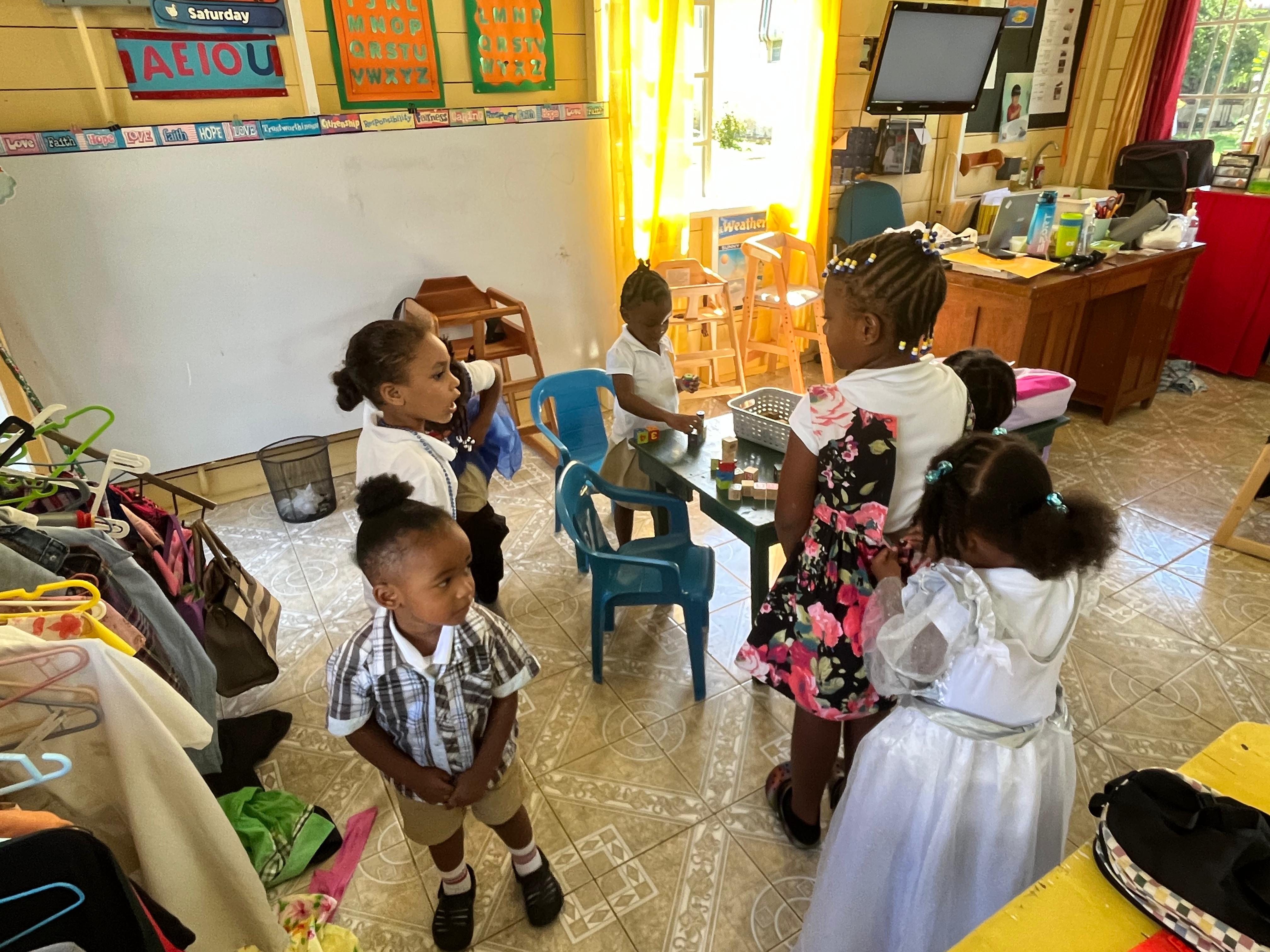
Dressing up as a doctor, firefighter, chef, explorer or for different occasions allows children to create entire worlds within their minds. This kind of imaginative play is crucial as it pushes learners to think outside the box, make up stories, and develop characters. The dress-up corner becomes a stage where they can perform, dream, and expand their creative horizons.
2. Develops Social and Emotional Skills
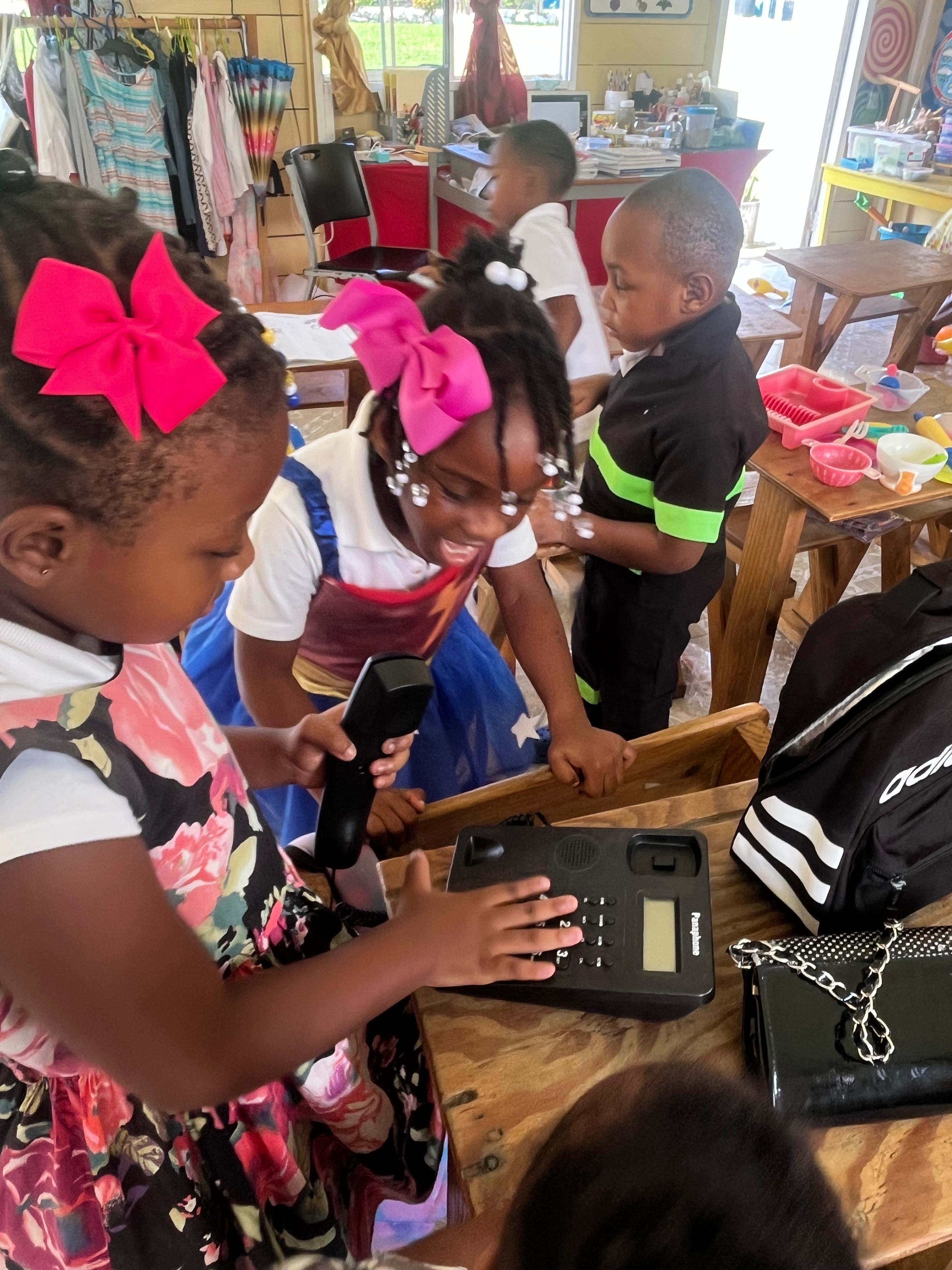
Through role-playing, children practice empathy and understand different perspectives. For example, by playing a doctor, they explore the role of a caregiver, practising kindness and problem-solving. They also learn to cooperate with others, share costumes, and communicate effectively, building emotional intelligence that supports future relationships.
3. Enhances Language and Communication
Pretend play often includes dialogues and storytelling, which enhances vocabulary and sentence structure. As children describe who they are and what they’re doing, they practice language in context, building strong communication skills. This is particularly helpful for young learners, as they engage in conversations that expand their expressive language.
4. Improves Problem-Solving Skills
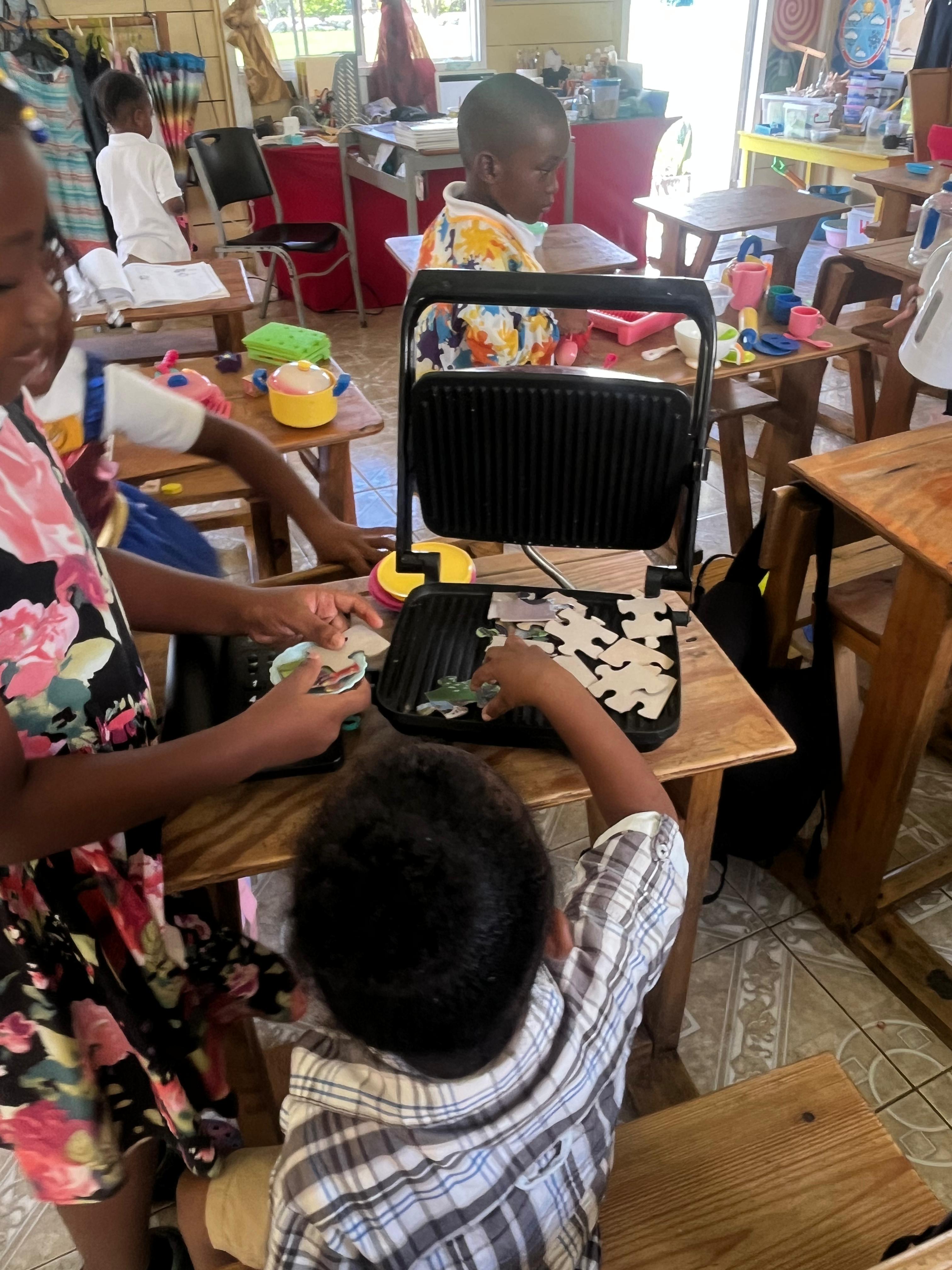
Pretend play scenarios often present “problems” to solve: How will the chef serve the hungry customers? What does the firefighter do in an emergency? These imaginary situations encourage children to think critically and make decisions, strengthening their ability to handle challenges in real-life situations.
5. Builds Confidence and Self-Esteem
Trying on various roles helps children build confidence as they discover new strengths and abilities. Playing a leader, a helper, or a brave hero helps them feel empowered and capable. Over time, these experiences can reinforce a child’s belief in their potential, making them more self-assured in other areas of life.
6. Encourages Fine and Gross Motor Skills Development
From buttoning a jacket to tying a scarf or slipping shoes, dressing up encourages children to practice fine motor skills. Moving around, acting out roles, or pretending to carry items helps develop gross motor skills, strengthening their coordination and physical abilities.
Creating Your Own Dress-Up Corner as a Parent
Setting up a dress-up corner is simple and can be done with a few costumes or even repurposed household items. Offer clothes representing different characters or professions, and let the child’s imagination do the rest! With various options and gentle guidance, a dress-up corner can become an inspiring learning environment, sparking joy and supporting essential childhood development at school and home.


 Jabneh Christian Academy