In the ever-evolving landscape of education, innovation often stems from creative problem-solving. One particularly impactful way to foster a dynamic learning environment is by repurposing everyday items for classroom use. By breathing new life into objects that might otherwise be discarded, educators can save costs. They can also reduce waste and create an engaging atmosphere. This atmosphere stimulates learning and imagination. At Jabneh Christian Academy, they transformed an old refrigerator into two versatile classroom assets. This transformation serves as a perfect example. Here’s how repurposing can make a difference and why it’s valuable for enhancing the educational experience.

Cost-Effective and Sustainable Solutions
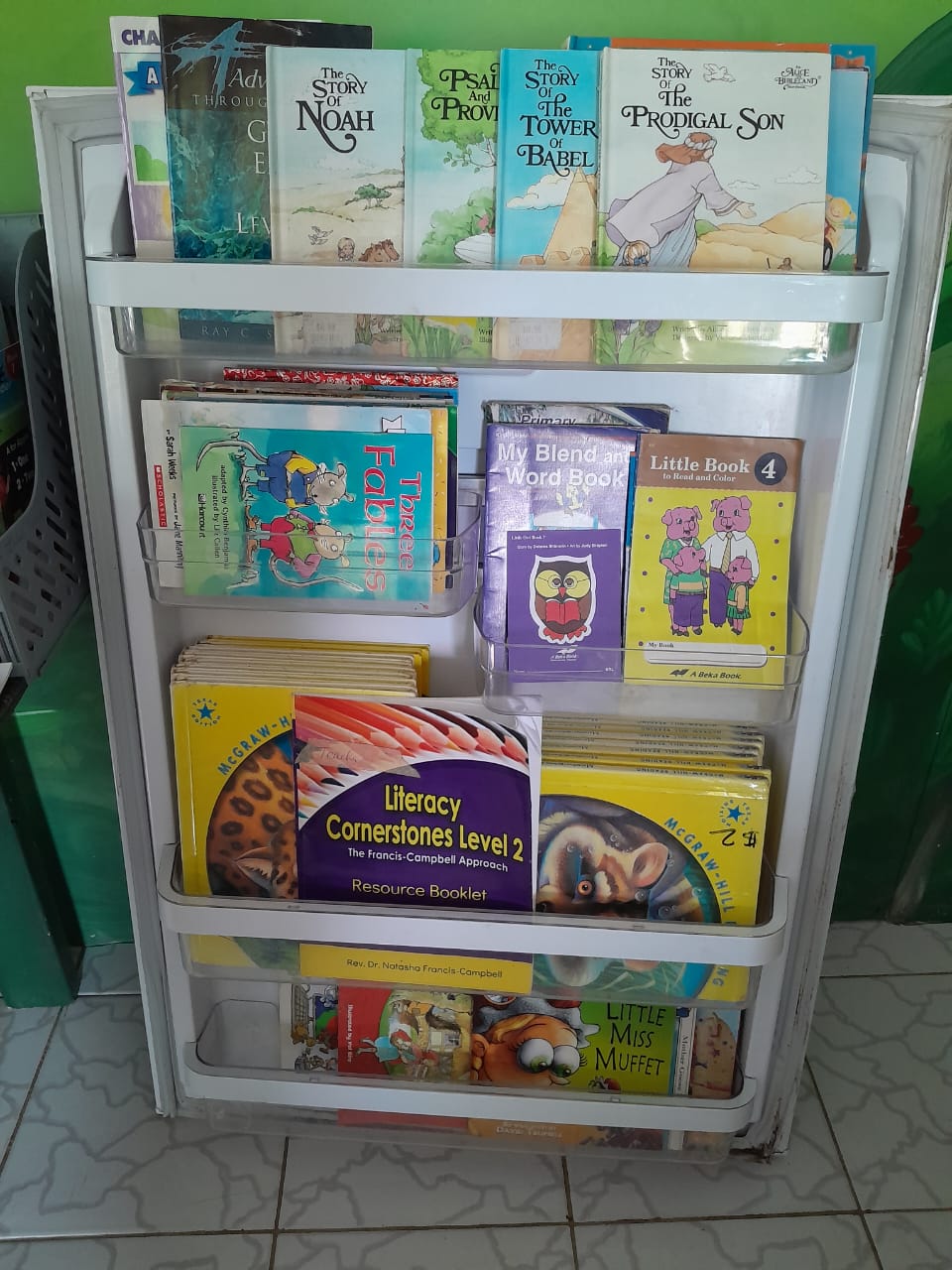
Classroom supplies and furniture can be costly, and budgets are often tight. Repurposing allows educators to innovate without breaking the bank. The refrigerator, now functioning as a cubby for the icons’ lunch kits, is a testament to this principle. What was once an unused appliance is now a storage solution, cutting down the need for new, expensive furniture. This approach also aligns with sustainable practices. It reduces waste and promotes environmental stewardship. This serves as a lesson in itself for students about the value of reusing and recycling.
Encourages Creativity and Imagination
Repurposing items in the classroom is not just about practicality; it’s about inspiring creativity. When students see familiar objects used in new and unexpected ways, it sparks curiosity and encourages them to think outside the box. The refrigerator door is a perfect example, cleverly repurposed into a library space. This unique bookshelf draws attention, inviting icons to engage with reading in a fun and interactive way. It subtly communicates that learning doesn’t always have to follow conventional paths—creativity is welcome.
Fosters a Hands-On Learning Environment
Repurposing also supports hands-on learning, which is essential for young students. Involving them in the transformation of everyday items into educational tools can become an engaging project, teaching them practical skills and the value of problem-solving. By observing or participating in repurposing projects, children learn that learning spaces can evolve, adapt, and be tailored to meet their needs—whether it’s transforming an appliance into a cubby hole or finding other ways to optimise classroom space.
Creates a Sense of Ownership and Community
When students see familiar objects transformed for their use, it creates a sense of belonging and ownership over their learning environment. They feel that their classroom is not just a space where they receive information but a shared community where their needs are considered and creativity thrives. At Jabneh Christian Academy, the icons are encouraged to feel pride and ownership over the unique space they help create. The repurposed refrigerator-turned-cubby symbolises this communal spirit, providing a practical yet personalised solution that meets the needs of every student.
Teaches Valuable Lessons Beyond Academics
Repurposing teaches children to look at the world critically, fostering a mindset that sees possibilities where others might see waste. This practice nurtures resourcefulness—a skill that extends far beyond the classroom. It’s a lesson in stewardship, teaching students to care for their environment and wisely use resources, aligning with broader educational goals of building responsible, thoughtful citizens.
A Call to Embrace Repurposing in Education
Repurposing everyday items for the classroom isn’t just a trend; it’s a meaningful way to innovate and create a dynamic learning environment. At Jabneh Christian Academy, the transformation of a refrigerator into a cubby hole and a library space is a prime example of how repurposing can meet practical needs while also enriching the educational experience. As educators, parents, and students continue to look for ways to make learning spaces more engaging and sustainable, repurposing will undoubtedly play a vital role.
By embracing the concept of repurposing, schools can turn challenges into opportunities, encouraging creativity, saving resources, and making education not only about books and desks but about creative exploration and discovery. It’s about showing our icons that even the most ordinary object can become extraordinary with a little imagination.




 Jabneh Christian Academy