We recently paused our reading of the Book of Nehemiah to explore a word the icons encountered but did not fully understand: construction.

When the word came up, many of the icons were unsure of its meaning. Rather than rushing past it, we decided to slow down and explore it together. We examined construction workers, construction tools, and the purpose of a construction site. What began as a vocabulary lesson quickly became a powerful reflection on the process of building a child.
Construction is the process of carefully building something, piece by piece, according to a plan. When workers construct a building, they use various tools, materials, and skills to transform an empty space into a strong, useful, and lasting structure. Every hammer, measuring tape, shovel, and level plays a role in shaping the final structure.
In the same way, raising and educating a child is a construction project.
Children are not finished products when they arrive at school. They are lives in formation. They are construction sites filled with potential, and the work of shaping their minds, character, and future requires the right tools and the right people.
This understanding brings us back to the story of Nehemiah. When Nehemiah saw the broken walls of Jerusalem, he did not simply wish things were different. He organised the people, gathered the materials, and began the work of rebuilding. The project required vision, leadership, cooperation, and perseverance. Every person had a section of the wall to repair, and every stone mattered.
Parenting and teaching function in a similar way. Building a child requires a community of individuals who understand their role in the process.
Parents and teachers are two of the most important tools God uses in a child’s life.
Parents lay the earliest foundations. In the home, children learn identity, values, language, and habits. They learn what love looks like, what discipline feels like, and what it means to belong. These early experiences become the footing upon which everything else is built.
Teachers continue the construction process. In the classroom, children encounter structured learning, guidance, correction, and opportunities to develop their abilities. Teachers help shape thinking, encourage curiosity, and introduce children to the wider world of knowledge.
Neither of these roles works effectively in isolation. Construction projects fail when workers do not cooperate, tools are misused, or the plan is ignored. In the same way, a child thrives best when parents and teachers work in partnership, recognising that they are both instruments in a much larger process.
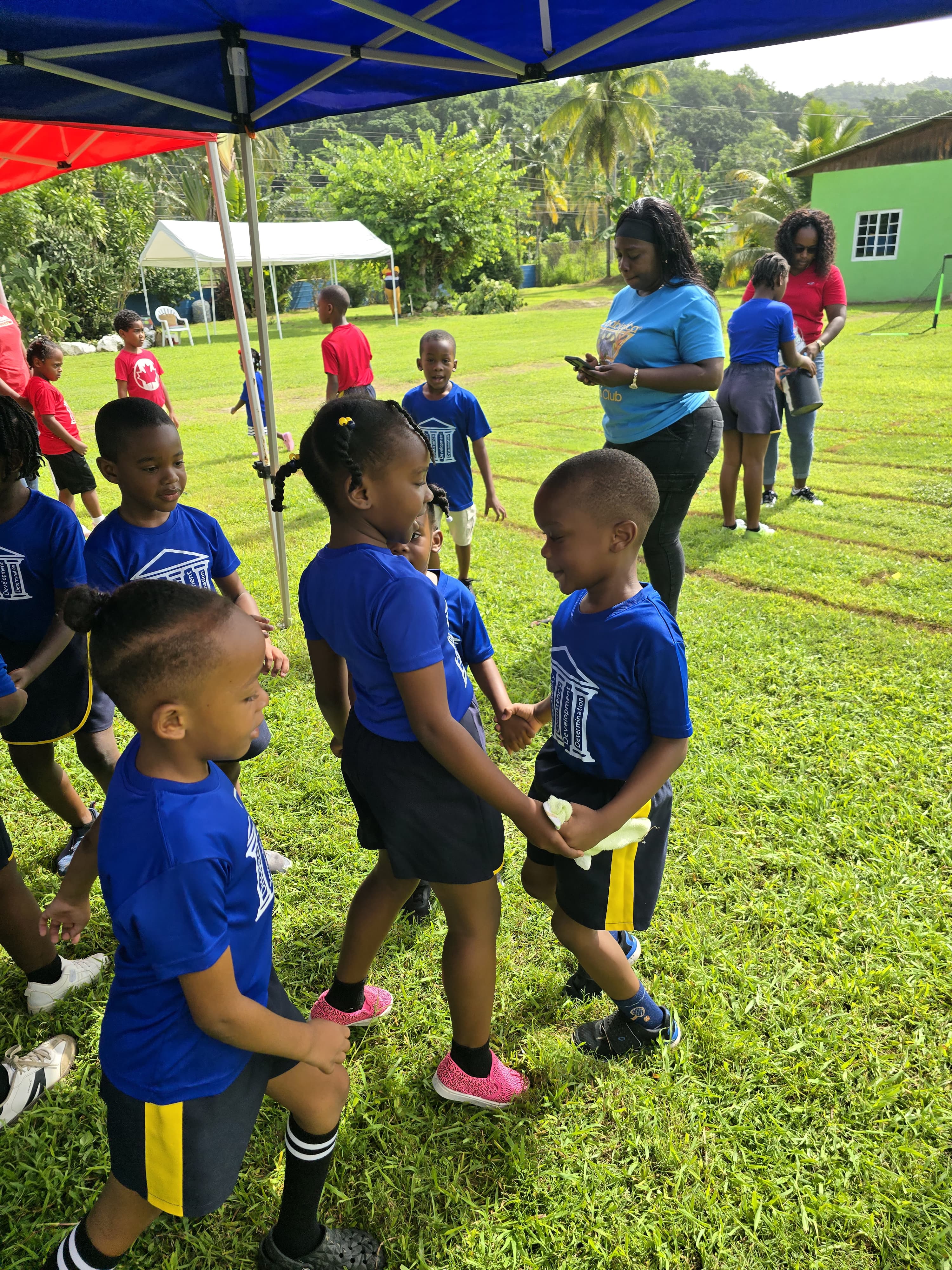
At Jabneh Christian Academy, we often remind the icons that God is building them. The lessons they learn, the corrections they receive, the habits they practise, and the encouragement they hear are all part of the construction process.
Sometimes construction sites appear messy. There may be noise, dust, and unfinished sections. Growth in children can look similar. There are mistakes, corrections, repeated practice, and gradual improvement. Yet these moments are not signs of failure. They are evidence that the work is in progress.
Scripture gives us a reassuring promise about this process in Philippians 1:6:
“Being confident of this, that He who began a good work in you will carry it on to completion until the day of Christ Jesus.”
This reminds us that the ultimate builder of every child is God Himself. Parents and teachers serve as tools in His hands, helping to shape the next generation with wisdom, patience, and care.
Our goal at Jabneh is not simply academic success. Our goal is to participate in the construction of strong, wise, and purposeful lives.
Each icon is being built with intention.
Each lesson adds another brick.
Each correction strengthens the structure.
Each act of encouragement reinforces the walls.
When parents and teachers embrace their role as tools in this process, children grow within a framework of stability and purpose. Together, we participate in building individuals who are prepared not only for exams or careers, but for meaningful lives that honour God and contribute positively to society.
At Jabneh, we have been saying that our icons are “under construction.”
The work is ongoing, the plan is purposeful, and the Builder is faithful.
We are grateful to partner with you in this important construction project.
Together, let us build icons that will withstand the challenges of life.









 Jabneh Christian Academy