At Jabneh Christian Academy, learning doesn’t always look like pencils and paper. Sometimes, it looks like laughter, bright colours, and puffed cheeks as icons try their very best to blow up balloons.
Yes, today we blew balloons — and no, it wasn’t just for fun. It was a lesson.
The three-year-old icons tackled what seemed like a simple task, inflating a balloon, but discovered that this activity was both fun-filled and surprisingly challenging, requiring patience, effort, coordination, and perseverance.
Some blew a few times, and it was done. Others took several tries. Some didn’t get it at all after trying my ways.
So, what did blowing balloons teach us?
Resilience – Trying again even when it didn’t work the first (or third) time.
Breath Control & Focus – A subtle yet powerful way to strengthen self-regulation.
Celebrating Others – Icons cheered when a classmate succeeded, learning joy in shared success.
Team Support – Many icons encouraged and coached one another through the task.
Fine Motor Coordination & Strengthening Oral Muscles – It was developmental, too!
Out-of-the-Box Learning at Jabneh
We believe in this at Jabneh: learning that connects, engages, and empowers. We don’t just teach from the book—we teach beyond the book. Every moment is a teaching opportunity. Whether it’s a science experiment, a pretend market day, or today’s balloon-blowing challenge, our icons are constantly building life skills that serve them academically, socially, and spiritually.
By teaching out of the box, we invite our icons to think creatively, problem-solve, and stretch their potential in a nurturing environment grounded in faith and wisdom.
Today was more than balloons. It was a breath of determination, joy, and purpose—the Jabneh way.
We are eagerly looking forward to the weeks to come.
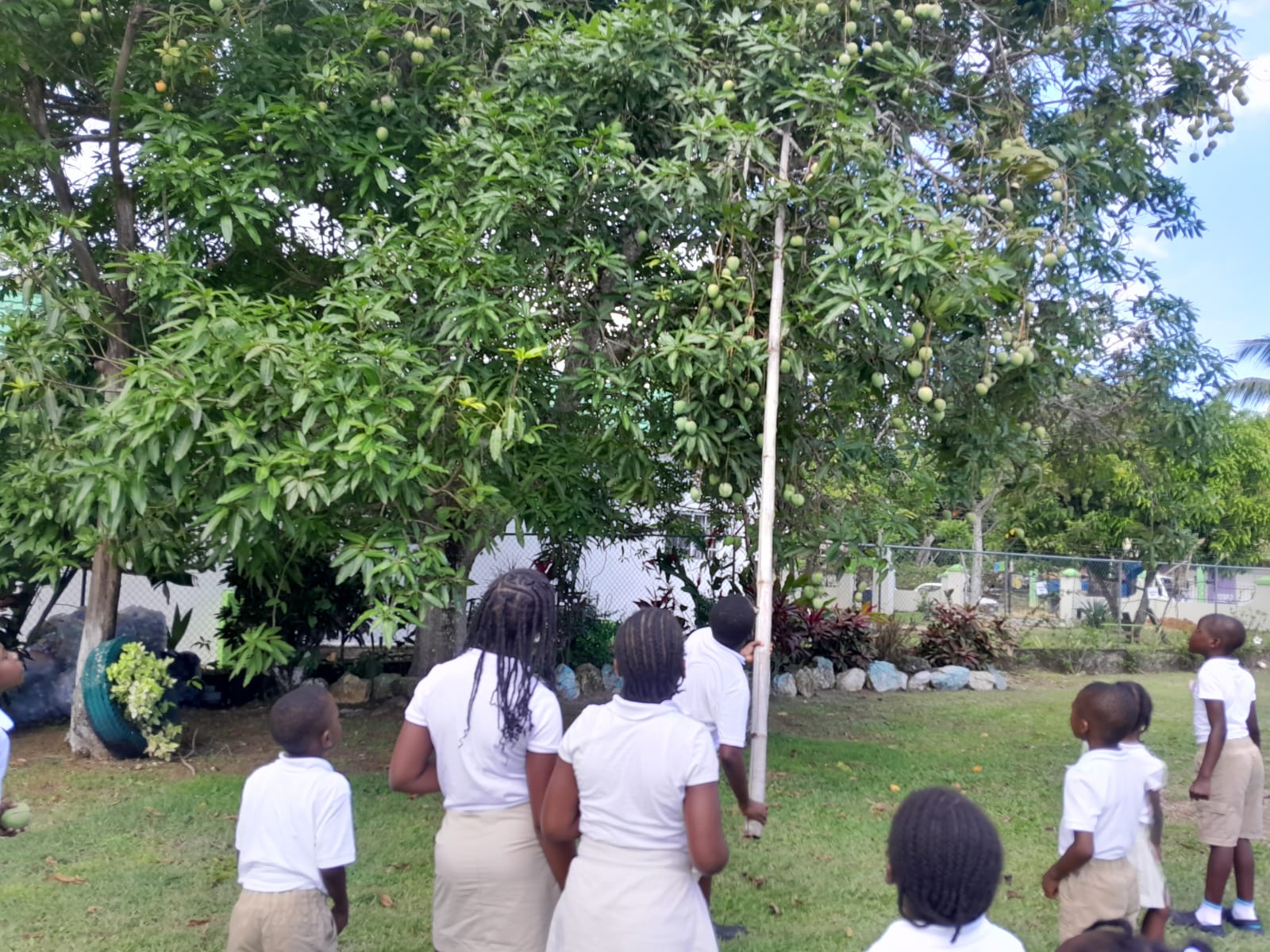
At Jabneh Christian Academy, learning often happens beyond the classroom walls. One such unforgettable experience took place under the golden sunshine as our icons ventured outdoors to pick mangoes. What may have seemed like a simple fruit-picking activity quickly unfolded into a powerful, hands-on lesson in patience, stewardship, fairness, and the beauty of God’s provision.
As the icons approached the mango tree, excitement bubbled over. Some jumped joyfully at the sight of ripe mangoes hanging low, while others eagerly pointed out the larger ones perched just out of reach. However, an important value-based structure was introduced before any fruit could be picked: take turns, share, and ensure everyone receives before taking more.
This simple guideline turned fruit-picking into a classroom of character-building. Icons learned to wait patiently, cheer each other on, and celebrate everyone’s little victories. Some even became mango spotters and pickers, helping others find the best ones within reach. Others stood guard to protect the younger mangoes and budding limbs from being damaged.
In a time when instant gratification is the norm, this experience reminded our icons that not everything good comes quickly. They had to assess each mango’s readiness—Was it mature enough? Was it too green? Could it ripen at home? Through this, they engaged in critical thinking and discernment while learning how to appreciate natural growth and timing.
Beyond the mango tree, this moment opened the door to discussions about:
Fruits in Season: Icons began to understand the rhythm of nature—how every fruit has its season and why eating fruits in their season is healthier, more sustainable, and budget-friendly.
Planting Trees at Home: If space allows, planting fruit trees at home gives icons the chance to nurture something that gives back. Caring for a tree instils responsibility, a connection to creation, and an appreciation for food sources beyond the supermarket. Imagine each icon waking up to check his/her tree’s progress—watering it, shielding it from harm, and joyfully anticipating the fruits of their labour.
Caring for the Earth: Through this one tree, they learned the more significant lesson of stewardship—taking care of what we have, not just for ourselves, but for others and for future generations.
As they walked back, mangoes in hand and hearts full of joy, one could see it clearly—this wasn’t just about fruit. It was about fruitfulness in every sense of the word. Kindness was harvested. Patience was plucked. Responsibility bloomed. Joy overflowed.
So, let’s keep planting—not just trees, but seeds of wisdom, care, and compassion. One mango moment at a time.
Have you bought the Courageous Hearts book for your icon? If not, today is a good.
See you in the next blog or in one of the Avoiding the Way of Fools books.
At Jabneh Christian Academy, the zone of optimal performance, we believe that every moment holds the potential for learning—and that even the simplest activities can lay a powerful foundation for lifelong growth. One such activity that often goes unnoticed, yet plays a crucial role in early childhood development, is ripping paper.
Yes, you read that right! That crumpled piece of scrap paper or yesterday’s newspaper can become a tool of transformation in your child’s hands.
What Are Fine Motor Skills and Why Do They Matter?
Fine motor skills involve the use of small muscles in the hands and fingers. These skills are essential for tasks such as writing, buttoning, tying shoelaces, and even feeding oneself. When children strengthen these muscles early, they are better prepared for academic tasks like pencil grip and handwriting—and for confidently navigating everyday life.
How Ripping Paper Helps
Ripping paper may look like play, but it’s actually a valuable sensory and muscle-building activity. It:
Builds hand and finger strength
Enhances hand-eye coordination
Encourages bilateral coordination (using both hands together)
Stimulates creativity and focus
At school, we incorporate this activity during art, letter formation exercises, and even in calming sensory play. The joy on the children’s faces as they tear and explore is matched by the quiet progress they are making in their developmental journey.
Ideas for Parents: Turn Tearing Into Teaching
We encourage our Resilient Parents to support this learning at home! Here are some fun, simple ways to do that:
Tear and Paste Art: Give your child different coloured paper to tear and glue onto shapes, letters, or numbers.
Texture Play: Use materials like tissue, newspaper, construction paper, cereal boxes and cardboard to explore how different papers tear.
Tear to Create: Make flowers, animals, or even collages—no scissors needed!
Bible Story Collage: After reading a story, let your child create a scene using torn paper to retell it.
A Word of Encouragement
In a world filled with screens and fast-paced routines, pausing for a paper-tearing session may seem small—but it’s a beautiful invitation for your child to explore, engage, and grow. Let’s partner together in these tiny, intentional moments that shape our icons into confident, capable learners.
Together, at school and at home, we are raising mighty builders—one little rip at a time.
With grace and growth, Rev. Dr. Natasha Francis-Campbell “Train up a child in the way he should go…” – Proverbs 22:6
At Jabneh Christian Academy, we believe that character education is just as important as academics. That’s why each week, we take time to highlight a core value that helps shape our icons into people of purpose. This week, our theme for devotion is:
Integrity Leads to Trust
When children learn to live with integrity, they are choosing to be honest, dependable, and upright—no matter who’s watching. The reward is Trust. Trust in friendships, trust in families, and trust from those around them.
We’re anchoring this week’s focus with the story of Joseph and Potiphar’s Wife from Genesis 39:1–23. Joseph did the right thing, even when it cost him something. His integrity, even when falsely accused and imprisoned, eventually led to great favour. What a powerful reminder for our children—and for us as adults too!
We’re also memorising Proverbs 22:1: “A good name is more desirable than great riches.” This verse reminds our icons that who they are is more valuable than anything they could own.
When a Child Has Broken Trust
Children are still learning. Mistakes will happen. However, those mistakes can become opportunities for growth when handled with grace and wisdom.
1. Have Honest Conversations
Help your child understand how their actions affect trust: “When you told a lie, it made it hard for me to believe you next time.”
2. Model Accountability
Let your child see you take responsibility too: “I forgot something I promised, and I’m sorry. I’ll do better next time.”
3. Teach Them How to Make It Right
Give them a chance to fix what was broken. Whether it’s an apology or a kind act, teach them that restoration matters.
4. Give Opportunities to Rebuild
Offer small chances for them to regain trust: “I’m trusting you to clean up your space while I step away.”
5. Praise Progress, Not Perfection
Celebrate moments of integrity: “You told the truth even when it was hard—that was brave and honest.”
When a Child Has Been Hurt and Needs to Rebuild Trust
Sometimes, our icons may be on the receiving end of broken trust. As caregivers and teachers, we must help them process that pain in a healthy way.
1. Listen and Acknowledge Their Feelings
Sometimes all they need to hear is: “I’m so sorry that happened. Your feelings are important.”
2. Teach Healthy Boundaries
Let them know it’s okay to protect their hearts and to rebuild trust slowly.
3. Encourage Expression
Some children open up better through drawing, storytelling, or pretend play. Create those outlets at home.
4. Reflect on Joseph’s Story
Joseph forgave his brothers and maintained his integrity in a tough situation. This story shows that even in pain, we can hold on to what’s right.
5. Encourage Forgiveness at Their Pace
Remind them that forgiveness is more about freeing their own hearts than excusing the wrong.
Simple Tools to Use at Home
Trust Jar: Place a marble in a jar each time your child displays integrity. Watch their “trust level” grow!
Story Chats: After reading a story (like Joseph’s), ask: “What choice did he make? What would you have done?”
Role-Play Repair: Practice apologizing and rebuilding trust through fun, pretend situations.
Weekly Wisdom to Hold On To
📖 “A good name is more desirable than great riches.” – Proverbs 22:1 📖 “Whoever can be trusted with very little can also be trusted with much.” – Luke 16:10 📖 “Be kind and compassionate to one another, forgiving each other, just as in Christ God forgave you.” – Ephesians 4:32
A Word of Encouragement to You, Resilient Parents
Rebuilding trust is a process—one that takes time, love, and intentionality. With God’s help, our children can learn that integrity always pays off. Through our united effort between school and home, they will see that even when trust is broken, it can be restored.
Let’s continue to nurture the seeds of truth, character, and grace in our icons. We’re honoured to walk this journey with you.
With love and partnership, The Jabneh Christian Academy Family
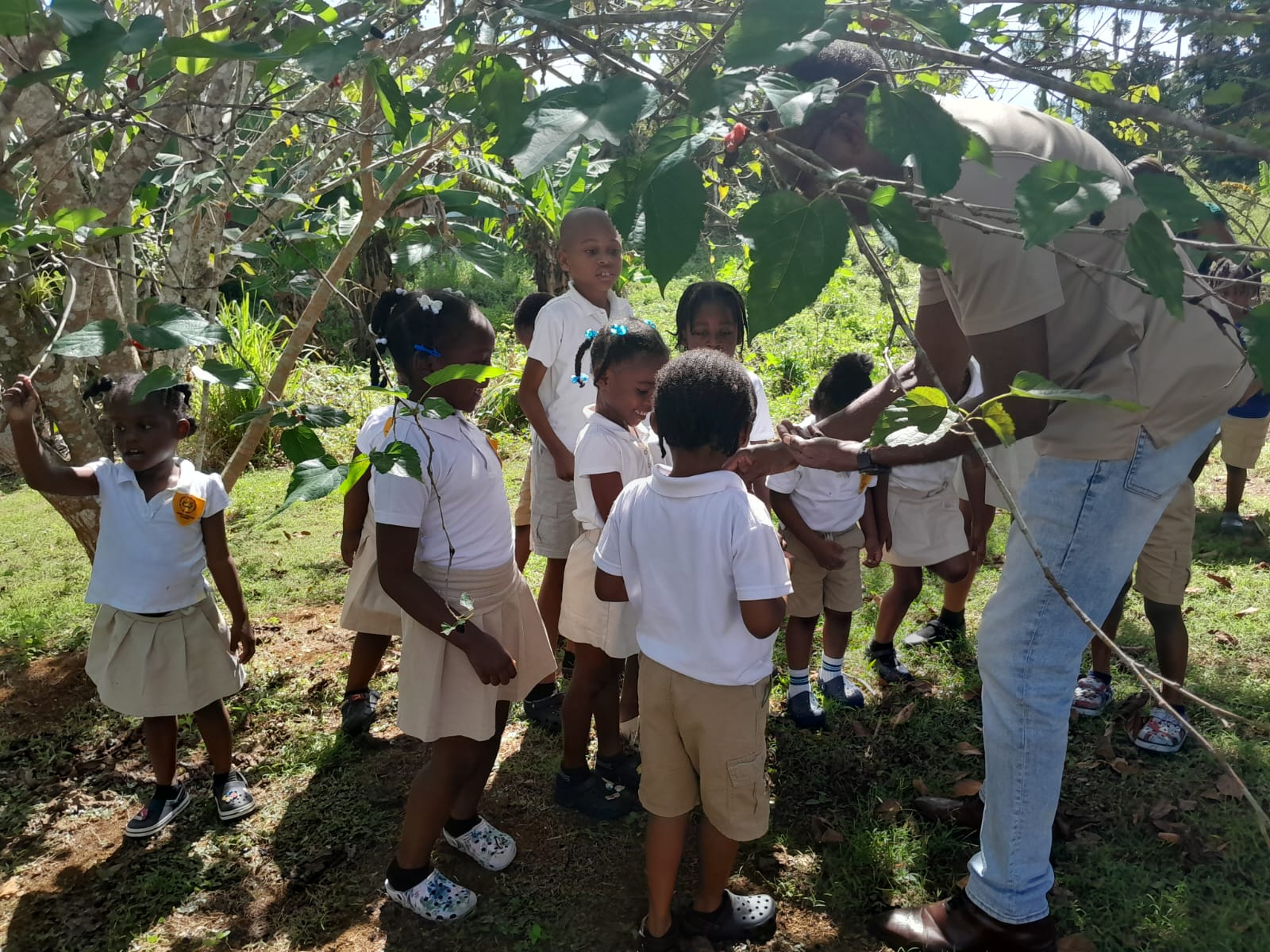
At Jabneh Christian Academy, learning isn’t just about books and lessons—it’s about experience, discovery, and engagement. Our recent outdoor adventure was proof of this! We introduced the concept that food is anything meant for eating. Our icons took their learning beyond the classroom. They ventured into nature to explore firsthand what that really means.
Armed with curiosity and a sense of adventure, our young learners went on a food hunt, searching for edible treasures in the great outdoors. The highlight of the exploration? A mulberry tree bursting with ripe, juicy berries! With giggles of excitement and eager hands, the icons gathered around, some cautiously taking their first taste while others confidently enjoyed nature’s sweet offering. The joy on their faces as they savored the berries said a lot. It was a reminder that learning is most powerful when it’s experienced.
How We Make Learning Stick
At Jabneh, hands-on experiences are key to deep and lasting learning. By engaging multiple senses—seeing, touching, smelling, and tasting—the icons understood what food is and developed a connection to nature and a curiosity about what’s safe to eat. These real-world encounters help them retain knowledge better than any worksheet ever.
The Benefits of Exploration in Early Learning
Curiosity and Critical Thinking – Exploration encourages children to ask questions, make observations, and think critically about the world around them.
Confidence and Independence – Finding and trying new foods outdoors builds confidence as children engage with their environment.
Sensory and Motor Development – Picking berries, feeling their texture, and tasting their flavor strengthens fine motor skills and sensory awareness.
Healthy Relationships with Food – Understanding where food comes from helps children appreciate fresh, natural foods and make healthier choices.
By stepping outside the classroom and into creation, we are not just teaching our icons—we are shaping their love for learning, encouraging them to engage with the world, and equipping them with knowledge that sticks.
Who knew that a simple mulberry tree was such a powerful teacher?
Just before you go, we are now accepting applications for new students for the new school year. Use or share the link with a friend. https://forms.gle/rE4ccTfaRCeQfz6d7
At Jabneh Christian Academy, we believe every moment holds an opportunity for learning—sometimes in the most unexpected ways! Today, we engaged our icons in a hands-on activity. They rummaged through a suitcase to find specific items of clothing. This was based on verbal descriptions. While this might not be a traditional classroom lesson, the experience provided countless learning opportunities:
✅ Vocabulary Development – Some icons were unfamiliar with the names of certain clothing items. This activity expanded their vocabulary and improved word association.
✅ Listening & Comprehension Skills – They had to carefully listen to descriptions, process the information, and identify the correct item, sharpening their comprehension abilities.
✅ Critical Thinking & Problem-Solving – Faced with multiple choices, they had to assess each item, apply reasoning, and make decisions—valuable skills for everyday life.
✅ Confidence & Independence – Encouraging icons to search, choose, and identify items independently built their confidence and sense of independence.
✅ Social & Teamwork Skills – Working alongside their peers fostered cooperation, patience, and communication.
We encourage you, our parents, to engage your icons in similar real-life learning experiences at home! Whether sorting laundry, setting the table, or describing objects in a fun game, everyday tasks can become powerful teaching moments.
Let’s continue to make learning dynamic, engaging, and meaningful!
Today was an inspiring and uplifting Values Day at Jabneh Christian Academy. Our theme, “Finishing the Race,” encouraged all our icons to embrace the power of perseverance. Our value word for the month of January was Perseverance. It reminds us all that true success comes from staying committed. This commitment is important even when challenges arise.
Our virtual icons participated in a thrilling Race of Determination. They demonstrated resilience and teamwork. They overcame various obstacles in their indoor session. Meanwhile, our face-to-face icons took part in the exciting Relay of Perseverance. They pushed themselves to give their best effort. They supported one another to the finish line.
To further emphasise perseverance, we focused on the Bible character Joseph, a true example of steadfastness. He faced many hurdles, including betrayal and imprisonment. Yet, he remained faithful and finished his race. He ultimately rose to a place of great purpose and leadership.
Our scripture for the day, Philippians 3:14, reminded us to “Press on toward the goal to win the prize for which God has called me heavenward in Christ Jesus.” This verse encouraged our icons to keep their eyes on their goals and push forward with unwavering determination.
One of the most powerful moments of the day was when our icons wrote out their measurable goals, setting clear and achievable targets for their personal and academic growth. By putting their goals into writing, they took an important step in committing to their own race of perseverance.
We concluded Values Day with a Perseverance Award Ceremony, celebrating those who exemplified resilience, determination, and a never-give-up attitude. Each award was a testament to the strength and dedication our icons displayed throughout the month.
As we step into a new month, we encourage our icons to take the lessons learned today and apply them to their everyday journey. Perseverance is the key to success! Let’s continue pressing toward our goals, lifting one another up, and striving for excellence in all that we do.
Keep running your race with faith, strength, and perseverance!
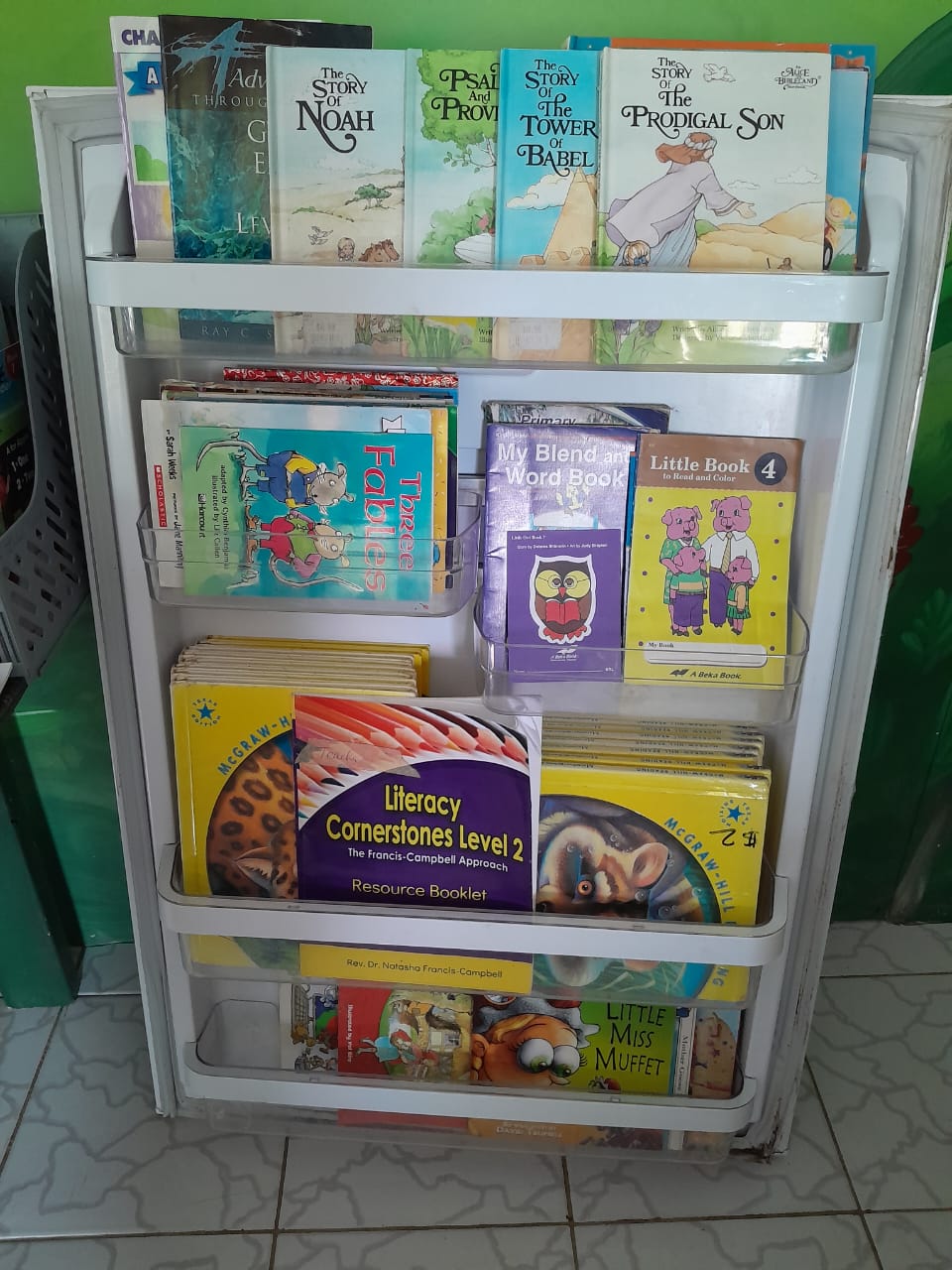
In the ever-evolving landscape of education, innovation often stems from creative problem-solving. One particularly impactful way to foster a dynamic learning environment is by repurposing everyday items for classroom use. By breathing new life into objects that might otherwise be discarded, educators can save costs. They can also reduce waste and create an engaging atmosphere. This atmosphere stimulates learning and imagination. At Jabneh Christian Academy, they transformed an old refrigerator into two versatile classroom assets. This transformation serves as a perfect example. Here’s how repurposing can make a difference and why it’s valuable for enhancing the educational experience.
Cost-Effective and Sustainable Solutions
Classroom supplies and furniture can be costly, and budgets are often tight. Repurposing allows educators to innovate without breaking the bank. The refrigerator, now functioning as a cubby for the icons’ lunch kits, is a testament to this principle. What was once an unused appliance is now a storage solution, cutting down the need for new, expensive furniture. This approach also aligns with sustainable practices. It reduces waste and promotes environmental stewardship. This serves as a lesson in itself for students about the value of reusing and recycling.
Encourages Creativity and Imagination
Repurposing items in the classroom is not just about practicality; it’s about inspiring creativity. When students see familiar objects used in new and unexpected ways, it sparks curiosity and encourages them to think outside the box. The refrigerator door is a perfect example, cleverly repurposed into a library space. This unique bookshelf draws attention, inviting icons to engage with reading in a fun and interactive way. It subtly communicates that learning doesn’t always have to follow conventional paths—creativity is welcome.
Fosters a Hands-On Learning Environment
Repurposing also supports hands-on learning, which is essential for young students. Involving them in the transformation of everyday items into educational tools can become an engaging project, teaching them practical skills and the value of problem-solving. By observing or participating in repurposing projects, children learn that learning spaces can evolve, adapt, and be tailored to meet their needs—whether it’s transforming an appliance into a cubby hole or finding other ways to optimise classroom space.
Creates a Sense of Ownership and Community
When students see familiar objects transformed for their use, it creates a sense of belonging and ownership over their learning environment. They feel that their classroom is not just a space where they receive information but a shared community where their needs are considered and creativity thrives. At Jabneh Christian Academy, the icons are encouraged to feel pride and ownership over the unique space they help create. The repurposed refrigerator-turned-cubby symbolises this communal spirit, providing a practical yet personalised solution that meets the needs of every student.
Teaches Valuable Lessons Beyond Academics
Repurposing teaches children to look at the world critically, fostering a mindset that sees possibilities where others might see waste. This practice nurtures resourcefulness—a skill that extends far beyond the classroom. It’s a lesson in stewardship, teaching students to care for their environment and wisely use resources, aligning with broader educational goals of building responsible, thoughtful citizens.
A Call to Embrace Repurposing in Education
Repurposing everyday items for the classroom isn’t just a trend; it’s a meaningful way to innovate and create a dynamic learning environment. At Jabneh Christian Academy, the transformation of a refrigerator into a cubby hole and a library space is a prime example of how repurposing can meet practical needs while also enriching the educational experience. As educators, parents, and students continue to look for ways to make learning spaces more engaging and sustainable, repurposing will undoubtedly play a vital role.
By embracing the concept of repurposing, schools can turn challenges into opportunities, encouraging creativity, saving resources, and making education not only about books and desks but about creative exploration and discovery. It’s about showing our icons that even the most ordinary object can become extraordinary with a little imagination.
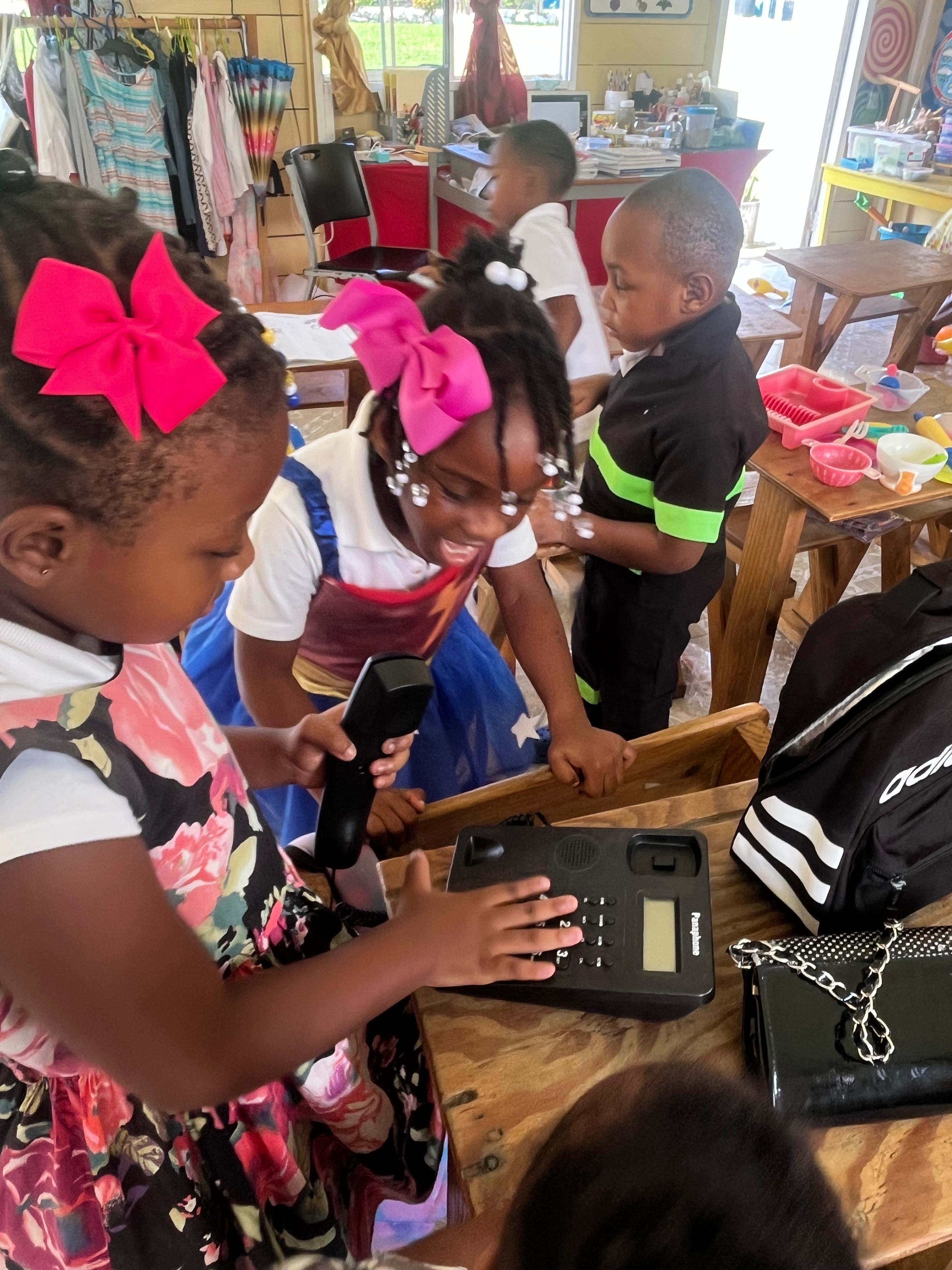
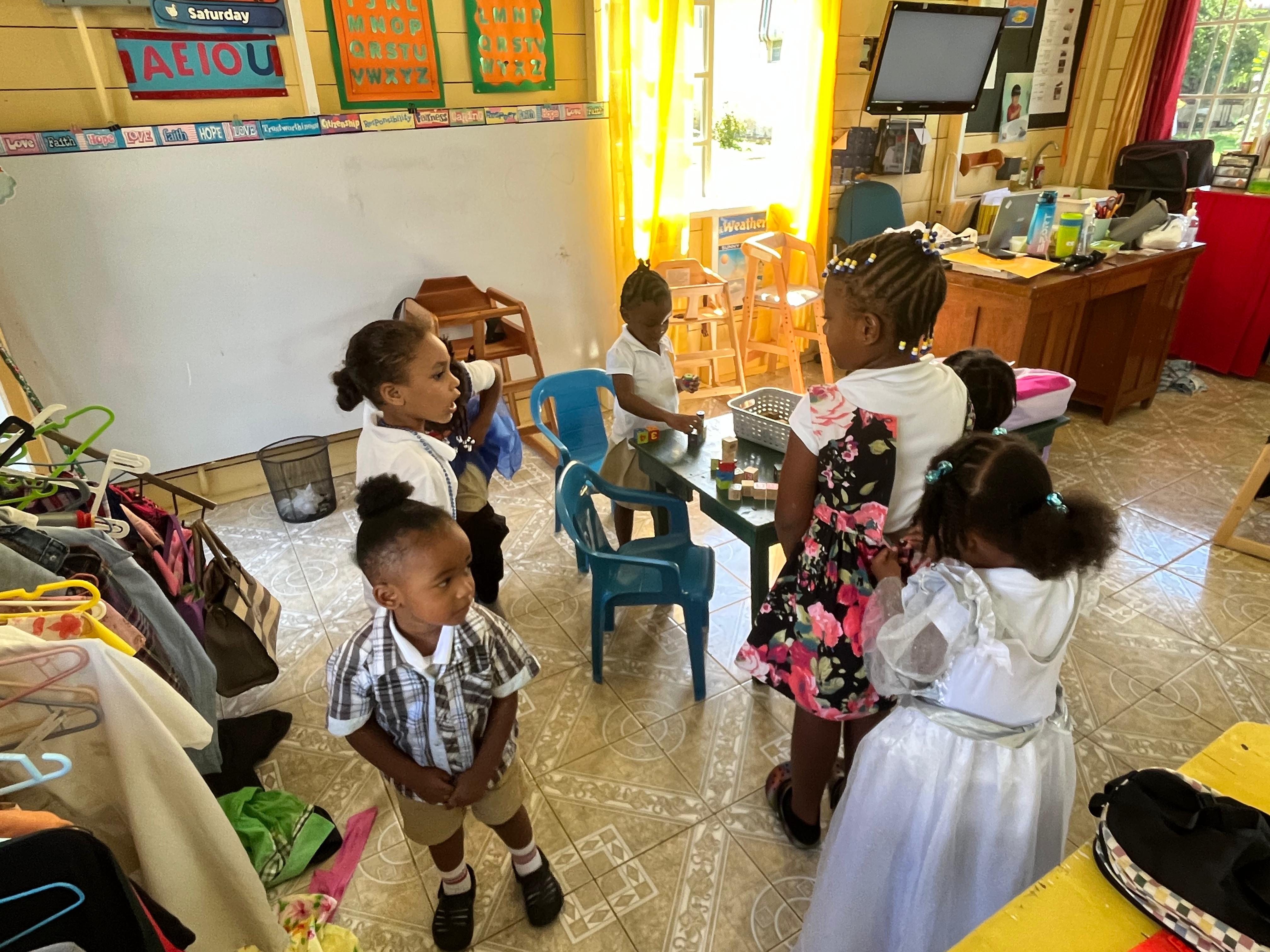
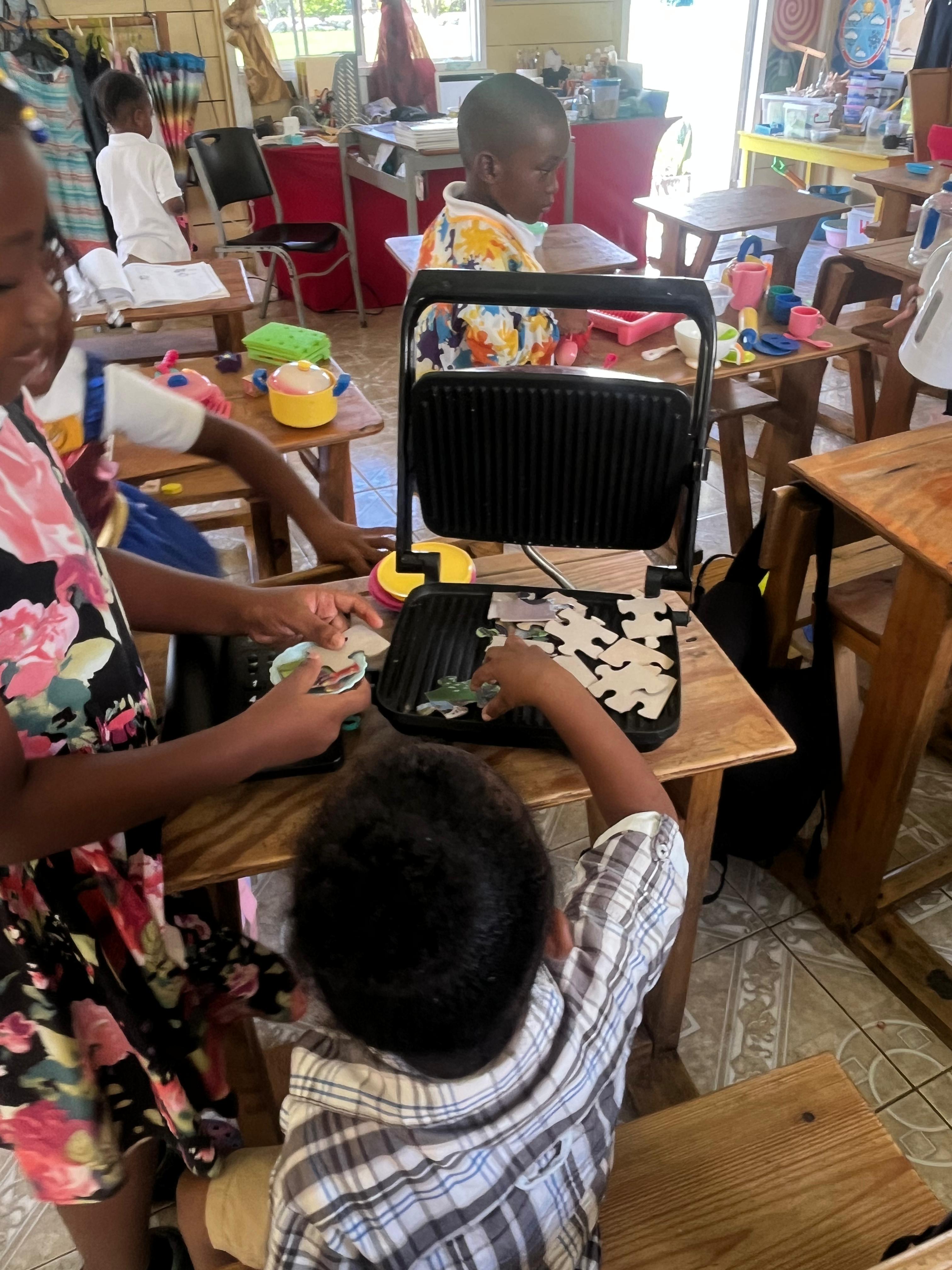
Pretend play, particularly through the simple yet impactful dress-up corner, is one of the most enjoyable ways young children learn. This fun, engaging activity allows learners to step into different roles, explore various professions, and imagine a world beyond their everyday lives. But the benefits go well beyond a child’s delightful giggles and inventive stories; let’s explore why the dress-up corner is a wonderful space for learning and growth.
1. Boosts Imagination and Creativity
Dressing up as a doctor, firefighter, chef, explorer or for different occasions allows children to create entire worlds within their minds. This kind of imaginative play is crucial as it pushes learners to think outside the box, make up stories, and develop characters. The dress-up corner becomes a stage where they can perform, dream, and expand their creative horizons.
2. Develops Social and Emotional Skills
Through role-playing, children practice empathy and understand different perspectives. For example, by playing a doctor, they explore the role of a caregiver, practising kindness and problem-solving. They also learn to cooperate with others, share costumes, and communicate effectively, building emotional intelligence that supports future relationships.
3. Enhances Language and Communication
Pretend play often includes dialogues and storytelling, which enhances vocabulary and sentence structure. As children describe who they are and what they’re doing, they practice language in context, building strong communication skills. This is particularly helpful for young learners, as they engage in conversations that expand their expressive language.
4. Improves Problem-Solving Skills
Pretend play scenarios often present “problems” to solve: How will the chef serve the hungry customers? What does the firefighter do in an emergency? These imaginary situations encourage children to think critically and make decisions, strengthening their ability to handle challenges in real-life situations.
5. Builds Confidence and Self-Esteem
Trying on various roles helps children build confidence as they discover new strengths and abilities. Playing a leader, a helper, or a brave hero helps them feel empowered and capable. Over time, these experiences can reinforce a child’s belief in their potential, making them more self-assured in other areas of life.
6. Encourages Fine and Gross Motor Skills Development
From buttoning a jacket to tying a scarf or slipping shoes, dressing up encourages children to practice fine motor skills. Moving around, acting out roles, or pretending to carry items helps develop gross motor skills, strengthening their coordination and physical abilities.
Creating Your Own Dress-Up Corner as a Parent
Setting up a dress-up corner is simple and can be done with a few costumes or even repurposed household items. Offer clothes representing different characters or professions, and let the child’s imagination do the rest! With various options and gentle guidance, a dress-up corner can become an inspiring learning environment, sparking joy and supporting essential childhood development at school and home.
Single-parent families often face unique challenges that are sometimes overlooked in broader community settings. Balancing work, household responsibilities and the emotional needs of children can be overwhelming when only one adult manages everything. Time becomes a precious commodity, often leading to stress and fatigue. Additionally, financial strain is a common issue, as there is typically only one income supporting the family. This can make it difficult to afford extracurricular activities, school supplies, or even basic necessities, adding to the stress.
Emotionally, single parents may feel isolated, lacking the support of a partner to share the ups and downs of raising children. This absence can take a toll on their well-being and that of their children. The situation is sometimes compounded by societal judgment or misconceptions about single-parent families, making it harder to build connections within the school community.
Creating a supportive environment is equally crucial. Fostering a culture of understanding and support within our school can help single parents feel comfortable sharing their experiences without fear of judgment. Being a listening ear and showing genuine interest in their challenges can go a long way in making them feel valued.
At Jabneh Christian Academy, we believe in the power of community and the importance of supporting one another. To make our school village more inclusive, we can establish a support network specifically for single parents. Our vibrant PTA body will lead this charge.
By being mindful of the challenges single-parent families face and taking intentional steps to include them, we can ensure that every member of the Jabneh Christian Academy community feels valued and supported. Together, we can create a nurturing environment where all families thrive, united by our shared faith and commitment to one another.
As we unite in prayer today for our single parent families, here are some prayer points:
Hope and Joy: Pray they will be filled with hope and joy, trusting in God’s promises and experiencing His presence in every aspect of their lives.
Strength and Endurance: Pray that single parents will be strengthened in their daily tasks and responsibilities, finding the energy and resilience they need to care for their children and manage their households.
Financial Provision: Ask God to provide for their financial needs, opening doors of opportunity for stable employment and the resources necessary to meet their family’s needs.
Emotional Support and Comfort: Pray for God’s peace to surround them and comfort them in moments of loneliness and stress. Ask that they find a strong support network within the church and community.
Wisdom in Parenting: Pray for wisdom and discernment as they raise their children, guiding them in making decisions that honour God and foster a loving, healthy home environment.
Protection and Safety: Ask God to protect the families, keeping them safe from harm and shielding them from any negative influences or dangers.
Healing from Past Hurts: Pray for emotional healing from any past hurts, disappointments, or broken relationships and that God’s love will restore and renew their hearts.
Opportunities for Rest: Pray that single parents will find moments of rest and refreshment amidst their busy lives, giving them time to recharge physically, emotionally, and spiritually.
Godly Role Models: Pray that God will place godly role models and mentors in their children’s lives, providing positive examples of faith and character.
Community and Inclusion: Pray that single-parent families will feel welcomed and included in the church and school communities and experience the love and support of those around them.
If possible, check in with a single-parent family today.









 Jabneh Christian Academy