Making a Splash: The Developmental Delights of Water Day

As the weather heats up, it’s the perfect time to embrace the outdoors and dive into some water-filled fun! There’s nothing quite as exhilarating and joyous as spending the day splashing and frolicking in the water.

While some parents may have reservations about water play, they’d be pleasantly surprised to discover the incredible developmental benefits it offers for children. Water Day, specifically designed for such play, is an opportunity for children to engage in a range of enriching activities.

Water Day isn’t just about water – it’s a dynamic experience where children interact with various tools and toys, including buckets, containers, balls, and toys of different colors, textures, shapes, and sizes. These tools allow children to unleash their creativity and curiosity as they splash, scoop, pour, measure, submerge, and explore their senses.

The interactions during Water Day foster numerous aspects of development, including language, motor skills, cognitive abilities, and social skills. Through playful exploration and experimentation, children not only have a blast but also lay the foundation for essential developmental milestones.

In essence, Water Day offers an invaluable opportunity for children to learn, grow, and thrive in a stimulating and enjoyable environment. So, let’s grab our swimsuits and dive into the adventure of Water Day!

Wedding Day Role Play @ JCA- Celebration Time

Term: 1

Theme: Celebrations

Sub Theme: Wedding

Group: 4-Year-Olds

A wedding is a special ceremony in which a man and a woman become married to each other.

Weddings are very joyous occasions for families but not all families celebrate weddings. 

 We celebrate when we feel happy, proud, and excited about something. A wedding is a special celebration.

Usually, an invitation to a wedding is issued and the recipients are expected to confirm their intention to attend the wedding by responding to the invitation.

Families take many photographs at weddings

Special clothes are made to wear to weddings using a variety of fabrics. Some fabrics are plain, and some have patterns, e.g. floral, striped, and plaid.

Some fabrics have different textures, e.g. smooth (silk, satin), coarse (linen), thin, and thick.

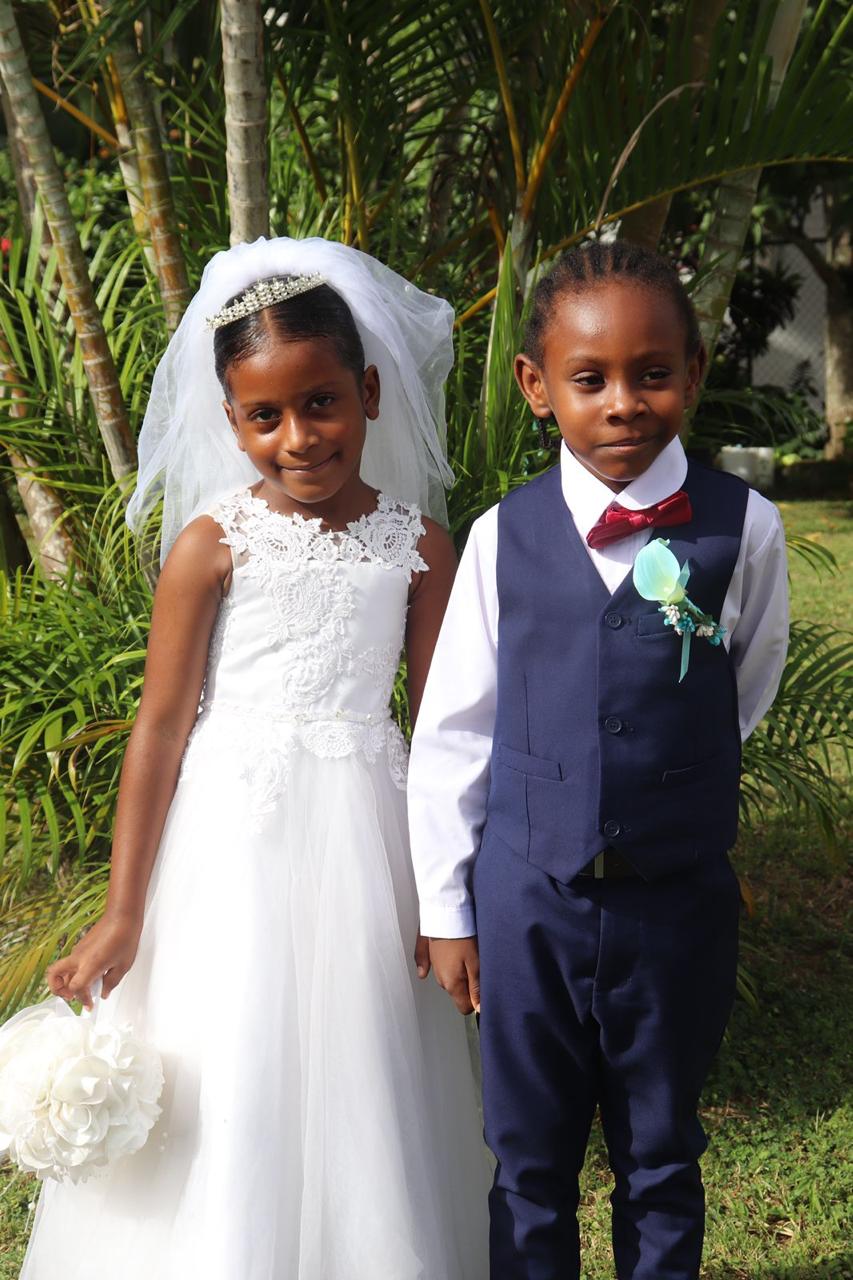
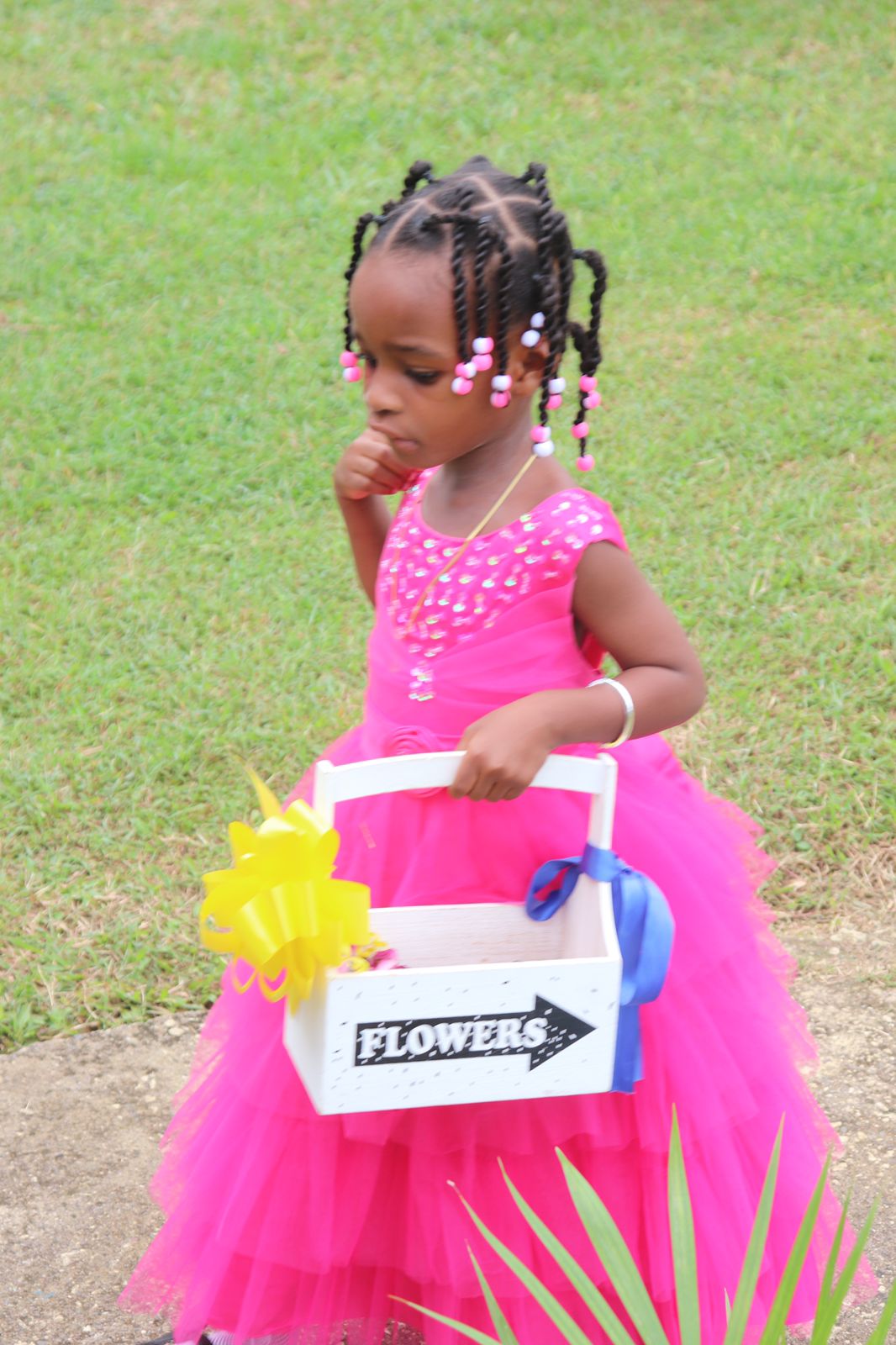
 The bride usually wears a special white dress called a gown. The bridesmaids also wear special dresses that look alike. The groom wears a special suit and the groomsmen dress up in matching suits.


Most married couples wear special rings on their ring fingers.  Do you know which finger is the ring finger?  

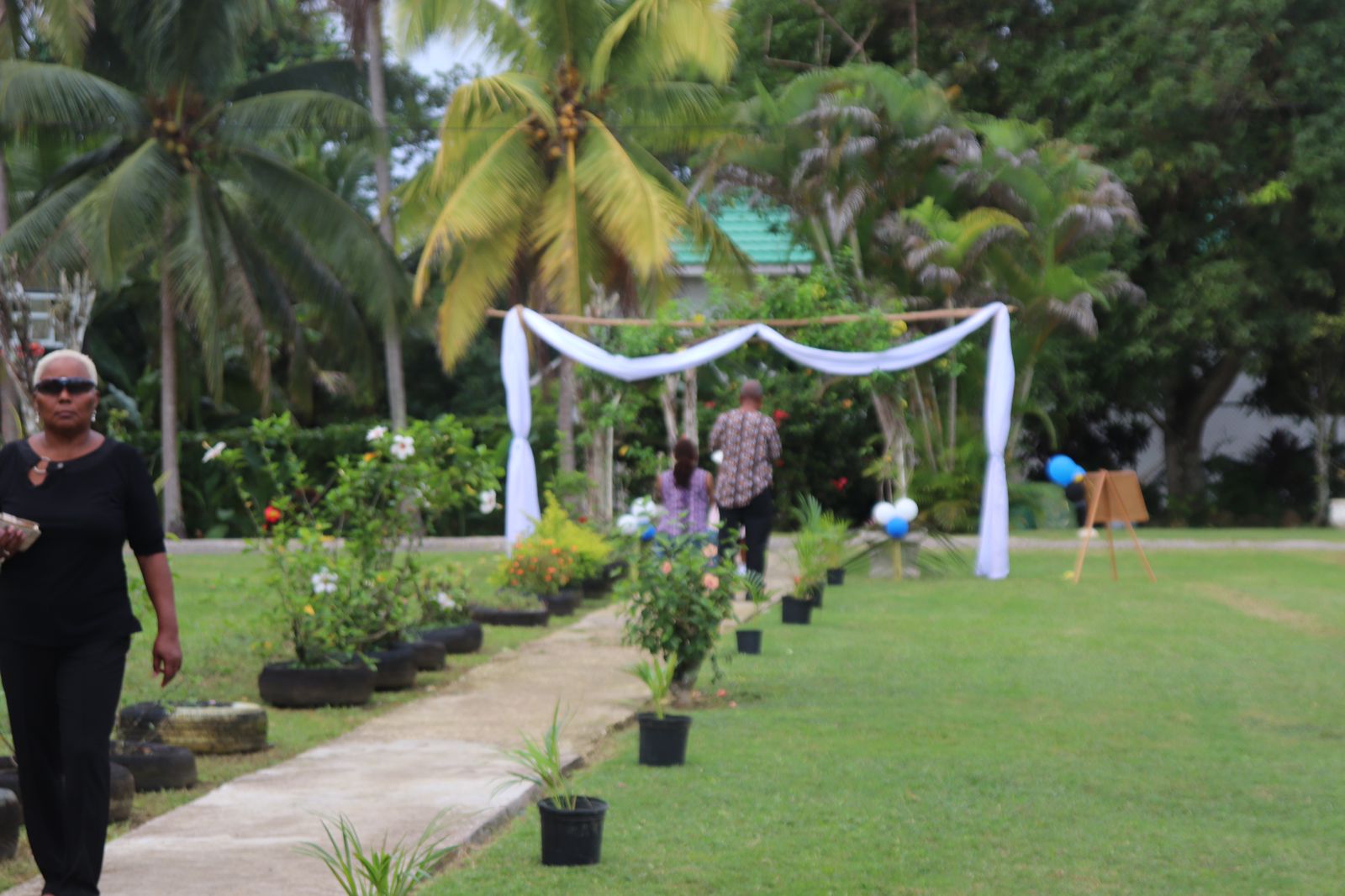
Most wedding ceremonies are held in a church, but some are held in other places, e.g. hotels, gardens, and homes.

After the wedding ceremony, there is usually a reception where we talk, give a toast, eat, drink, dance and have fun together. The reception is one of the ways that the bride and groom show their appreciation to the attendees. It is called a reception because it is the first time the bride and groom receive society as a married couple. 


We eat different foods such as chicken, fish, beef, pork, vegetables, rolls, cakes and fruits at the reception. Some people are vegetarians and eat no meat but only food from plants.  They are provided for as well.

Foods have different tastes, e.g. salty, peppery/spicy, sour, and sweet.

There is usually a special wedding cake with pretty decorations that the bride and the groom cut to eat and share with others.


We dance to different kinds of music at a wedding reception. We can move the bodies that God made in different ways, e.g. to the left, right, in front of, behind, beside others or objects.

We must be respectful to others when we speak, play, dance and eat with them at the reception.

The months of June and July are very popular for weddings.

 June is the sixth month of the year; July is the seventh month of the year.

A wedding is conducted by a marriage officer.

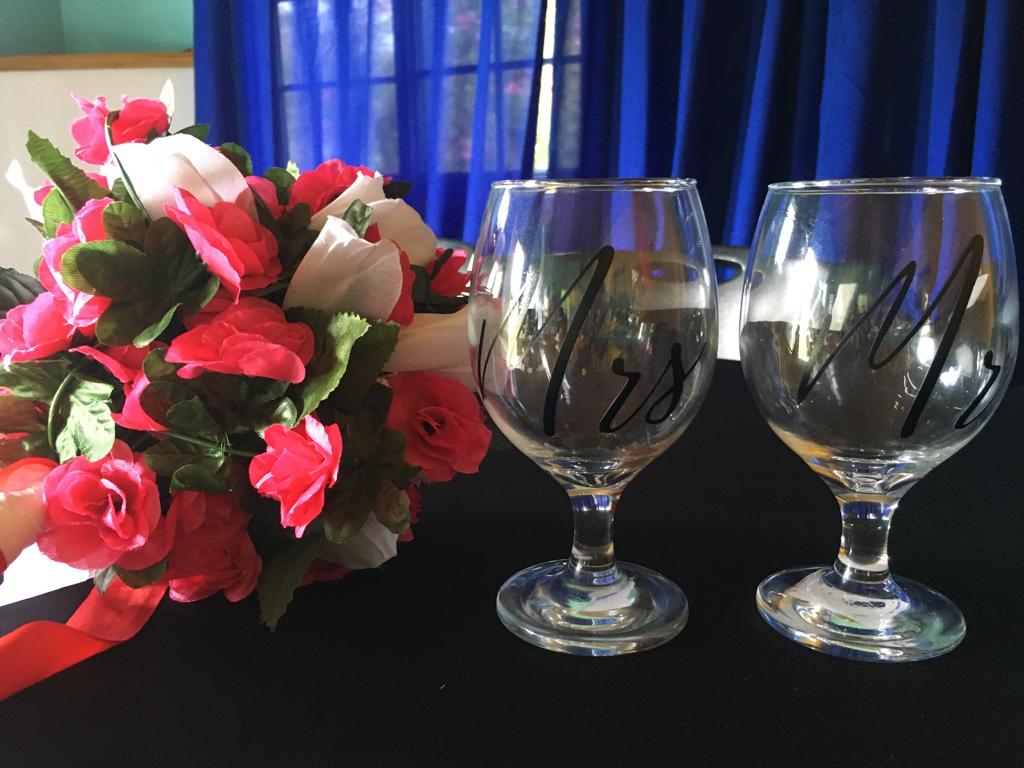
At Jabneh Christian Academy our aim is to make learning stick.  Guess what?  Having taught our icons about weddings during the last week of term 1, intentionally, we had a wedding and the reception as our end-of-term event.  Take a look.  Tell us what you think.

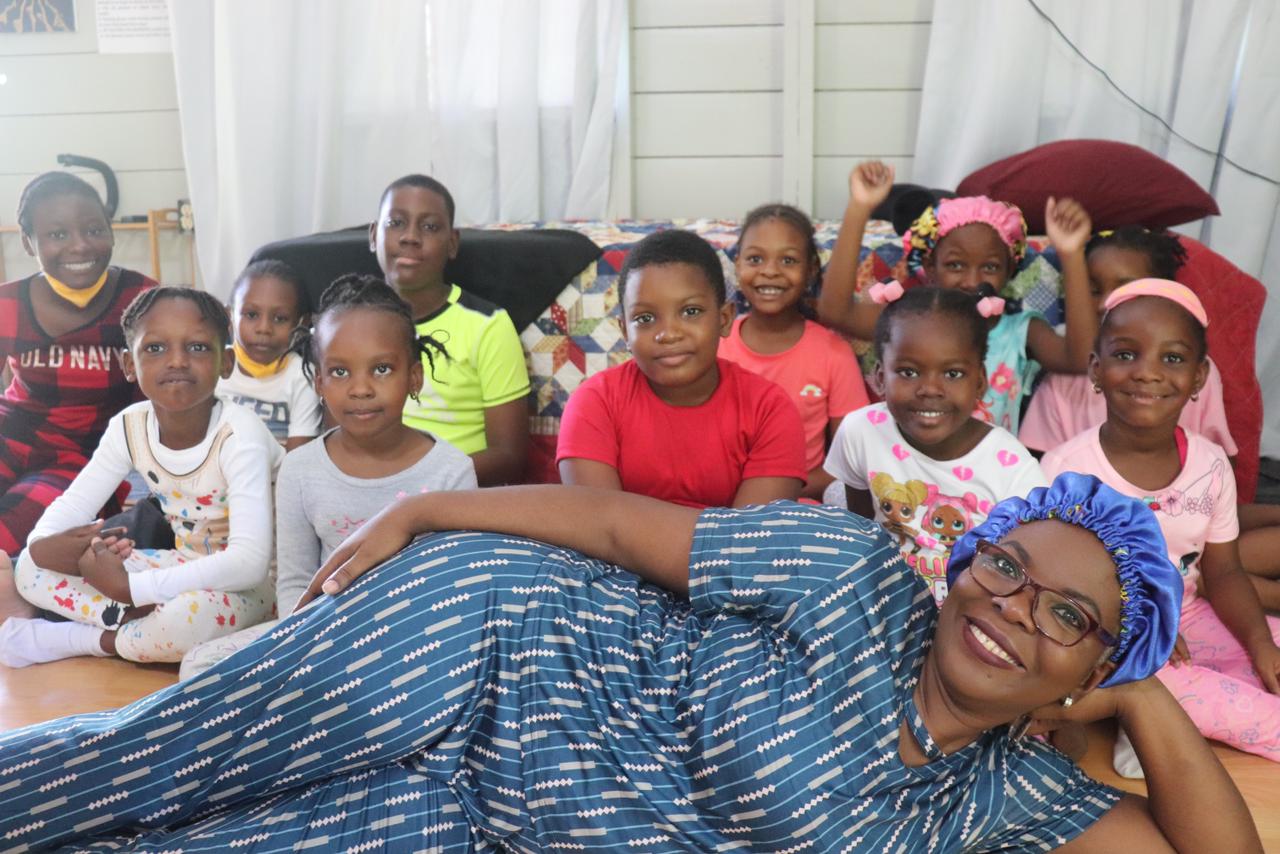
Pajama Day 2023 | Bedtime Activities

Pajama Day is another one of our anticipated events in term one. We are aware of the difficulties that are likely to arise in homes over bedtime or getting children to relax into a sleepy state.

Let us consider that children are coming off the summer holiday where bedtime routines were probably relaxed somewhat. For those kindergarteners who have just started to interact with the world around them and learn new things, it can be daunting and cause them to experience difficulties relaxing before bedtime. Some children do find the rigors of daily life stressful and anxiety-laden which can result in sleeping challenges.

With that said, we can surmise that adults should be more mindful about bedtime for children and try to do their very best to make it enjoyable and beneficial to their children. There are many important things to consider to achieve this, however, in this article, I want to pay attention to suitable activities that children could be engaged in to prepare them for bedtime.

Here are a few examples:

  • Shower/bath – This serves several purposes. It could cool and calm children down, It certainly will clean them up and could prepare them for my next point.
  • Massages- Gentle massages can help children to relax; reduce tension in muscles and help the muscles become stronger; reduce fatigue and maintain healthy muscles. What’s more is that it provides an opportunity for them to be touched. Are you aware that some children are not touched by their parents often although they live with them?
  • Lotioning is a good way to introduce massages to children. Massage their hands and feet, paying attention to those little fingers. They are used during a school day.
  • Treading beads for older children.
  • Puzzles
  • Colour and trace
  • Listen to or play music
  • blow bubbles
  • read books including the Bible
  • Listen to books being read to them
  • listen to audio-books
  • breathing exercises
  • pray for others
  • eat a healthy bedtime snack

Which of the above have you been doing? Which one will you try?

Rev. Dr. Natasha R. Francis-Campbell

October 2023

Photo credit: Jakim Campbell

Developmental Milestones Series- Speech and Language

Speech and language development continues to evolve as children progress through their early school years, from kindergarten through Grade 3. During this time, children typically build upon the foundational language skills they acquired in their preschool years and continue to develop more advanced language and communication abilities. Here is a general overview of what you can expect for students in kindergarten through Grade 3:

Kindergarten to Grade 1:

1. Vocabulary: Students in K3 to G1 should be expanding their vocabulary significantly. They are learning new words every day and becoming more adept at naming objects, describing things, and asking questions.

2. Sentence Structure: At this stage, children are transitioning from simple sentences to more complex ones. They may use conjunctions (e.g., “and,” “but”) to join ideas and form compound sentences.

3. Communication Skills: Students in K3 to G1 are learning to communicate effectively with peers and adults. They should be able to engage in conversations, express themselves clearly, and listen and respond to others appropriately.

4. Reading and Writing: In the early grades, children learn to read and write. They develop phonemic awareness, letter recognition, and begin to understand the concept of written language. Simple sentences and stories are introduced.

Grade 2 (G2) to Grade 3 (G3):

1. Vocabulary: Students continue to expand their vocabulary, becoming more proficient in using a wide range of words to express themselves and understand increasingly complex texts.

2. Sentence Structure: By G2 and G3, students should be capable of constructing more intricate sentences, using a variety of sentence types (declarative, interrogative, imperative, and exclamatory).

3. Communication Skills: They become more skilled at engaging in discussions, debates, and presentations. They can express their thoughts and ideas coherently and provide reasons for their opinions.

4. Reading and Writing: Reading comprehension and writing skills continue to develop. Students read more complex texts and produce more extended pieces of writing, including narratives, informational texts, and persuasive essays.

5. Grammar and Punctuation: They refine their understanding of grammar rules and start using punctuation correctly in their writing.

6. Critical Thinking: In G2 and G3, students are encouraged to think critically, analyze texts, and draw conclusions. They learn to use evidence to support their ideas.

It’s important to note that individual variations in language development exist. Some students may progress more quickly or slowly than others. Teachers and parents play a crucial role in supporting language development through reading, conversation, and exposure to a rich language environment.

If a child is experiencing significant difficulties with speech and language development in grade 2 or grade 3, it may be beneficial to seek guidance from a speech-language pathologist or an educational specialist to address any specific challenges and provide additional support. Early intervention can be vital to helping students succeed in their academic and social development.

Prepared by Jakim Campbell, AA

Administrative Assistant at Jabneh Christian Academy

Joy! We’ve Got Joy.

Our value word for the month of June is JOY

We have intentionally pulled joy to the foreground as it can get lost in the myriad of disappointments, challenges, anxious moments, and lawlessness that appears to occupy the scene constantly.

Joy is not happiness.

Joy is not the result of being healthy, wealthy, or smart.

A friend of mine lost her beloved mother this week. We started conversing a few hours after and though it was obvious she was mourning she exuded such joy.  As a matter of fact, she told me that she was mourning not mournful.  Can you imagine that!

We can, if we understand James 1:2-3 which states,

Dear brothers and sisters,[a] when troubles of any kind come your way, consider it an opportunity for great joy. For you know that when your faith is tested, your endurance has a chance to grow.”

Weeping is not indicative of the absence of joy.  Joy is rooted in Christ Jesus.  The fullness of joy is found in Him.

No matter what comes, we have joy.  For the month of June, we pray that you will experience the fullness of joy.

Joy Overflow- We do not own the rights to the song. Dancer- Icon Ajahne Reid

Hug Them, Please

Once we have our arms, we can make an indelible mark.

Of all the uses of our arms, hugging our children is one of the most important uses.

As a village, we are on an extended prayer marathon which has inspired the thought I have coined as intercessory embrace. This is the act of pulling someone into an embrace with the intention to beseech God on his/her behalf overtly or covertly.

Hugs are reassuring. Our children need constant reassurance. There are many things, on a daily basis, which have the potential to cause a feeling of overwhelm for these small, immature human beings. It cannot be ok for them to be left to navigate the frights of life, the anxieties, the highs and lows on their own. Time may be scarce for their caregivers, but to hug, definitely will not topple our boats if we pause to just hug our children.

Denying our children of the benefits of our hugs can cause damage for a very long time. On the other hand, hugging our children can, and will result in returns that far exceeds our expectations. Pause and think about what a hug does for you, an adult.

Did you know that hugging your children can:

•        Help to curb undesirable behaviours

•        Help to lesson trauma

•        Give a sense of safety

•        Boost their confidence

•        Increase performance in school

•        End temper tantrums

•        Improve health

•        Helps with stress management and

•        Improve the parent-child bond.

Can we depend on you to make a difference by making a habit of hugging your child/children?

Icon Ajahne Reid’s First Poem

When the language lesson finds a poetess…  This icon is now learning about figures of speech.  Can you tell the figure of speech that she employs to compose this masterpiece in her first class?

Icon Robyn Jackson’s Crochet Swimwear Collection

The word crochet comes from the French word croche which means hook. Crochet has come a long way and is evolving into a fashion statement. 

At Jabneh Christian Academy, the art programme is unique as it seeks to develop the talents the icons possess or the areas in which they show avid interest.

Therefore, our Art sessions are very individualized. Icon Robyn Jackson is developing into a crocheter and we are sharing her talent with you.  She crochets for all this craft’s benefits, including an income stream.  Do contact her mom at 876 480 8406 to place an order in support of this young entrepreneur.